
Finding Cedar Park Residents With Records
Names mean little without a place and a date. Start with geography. Confirm whether the address sits in Williamson County. It may instead sit in the small Cedar Park area that reaches into Travis County. Then pick the record that fits the narrow question. A parcel search fixes a property. A dated court, deed, or vital record can tie a person to a jurisdiction. It can also fix a moment in time. Voter and historical sources fill different gaps. Each source answers one small part of the puzzle. Work them in order rather than all at once.
The Cedar Park residents directory works as a chain of public sources. It is not one master list of households. Current owner data and address geography come easier than a current occupant. Old records demand their own path through microfilm, maps, and county volumes. Preserve the source date and the exact field each record shows. Do this before treating it as a useful lead.
- Confirm the county, postal community, ZIP, and city boundary through Cedar Park Atlas or the city address tools.
- Search WCAD by owner, address, account, or legal description and record the situs separately from any mailing field.
- Use the address-point and street layers to normalize a unit, suffix, ZIP, and GIS identifier.
- Check a dated county, court, voter, or vital-record source only where its release rules allow access.
- For a missing historical layer, ask the custodian or use the Baylor and TSLAC microfilm route rather than assuming an absent online result means no record exists.
Cedar Park Resident Record Custodians
Cedar Park records live with city, county, and state custodians at once. The Williamson County Clerk serves as recorder and registrar. WCAD holds current appraisal and parcel material. Elections, courts, and DSHS each run separate systems. An address near the county edge may need a Travis County route instead. For the street-level sequence, the Cedar Park street directory explains the address keys in depth.
Williamson Central Appraisal District
Current property and parcel records
Williamson County, Texas
Public online search
Williamson County Elections
301 SE Inner Loop, Suite 104
Georgetown, TX 78626
512-943-1630
The City of Cedar Park anchors the municipal side of any search. It covers permits, archives, and GIS context. The homepage reaches current department information, but it is not a resident index.

Set the municipal starting point before any county request.
Cedar Park County and ZIP Check
Cedar Park sits mostly in Williamson County. A small part reaches Travis County. Postal labels add a second complication, because some city addresses use Leander and 78641 while staying inside Cedar Park jurisdiction. A Leander mailing label settles nothing about the county. A Cedar Park label proves little on its own either. Check the city limit or ETJ, the county, the situs address, and the ZIP as four separate facts before opening a deed, court file, or voter route.
This local geography shapes the whole records path. Williamson is the usual starting point, and Georgetown is its county seat. At the Travis edge, use the Travis address-verification route along with its own recorder and court custodians. Geography decides the custodian. Cedar Park Atlas, WCAD, and the city FAQ make better first checks than a broad name search. They show the location that controls later records access.
Note: Keep the municipal city, postal community, ZIP, county, and ETJ in separate notes, since one Cedar Park address can make them disagree.
Cedar Park Atlas for Resident Geography
Cedar Park Atlas is the local map stack for an address-based search. Its catalog and data services combine address points, parcels, streets, ZIPs, neighborhoods, HOAs, permits, zoning, subdivisions, and boundaries. That mix lets a reader normalize an address first. The layers show geography and administrative context. They do not show who occupies a home.
Open the Cedar Park Atlas to compare an address against its street, parcel, ZIP, neighborhood, and city-limit layers.
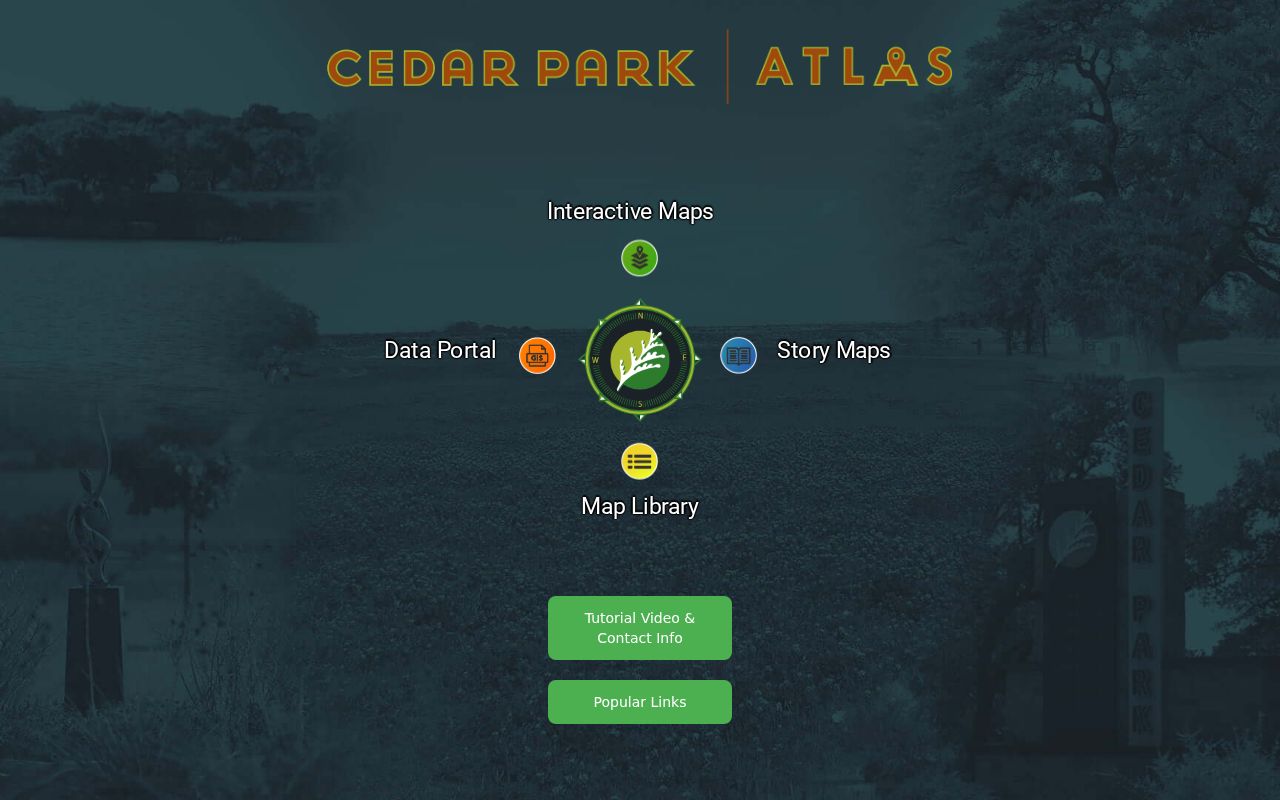
Carry Atlas map identifiers forward to WCAD and the County Clerk. Never treat them as occupancy records.
- Parcel
- A mapped piece of land or condominium interest used for appraisal and legal-description work.
- Situs address
- The taxable property location, which can differ from an owner mailing address.
- Index
- A catalog that points to a record. It is not always the official image or a certified copy.
- Criss-cross directory
- A historical directory arranged by address rather than by a person’s name.
Cedar Park Parcel Search Before Names
Start at WCAD first. Quick search accepts a name, address, or property identifier. Autocomplete turns on after three characters. The advanced search narrows by street number range, street, city, ZIP, neighborhood, tax year, owner fields, and legal-description fields. Results can include owner, mailing address, situs address, account, legal description, value, and neighborhood columns. An export option is included.
Use the WCAD Property Search to begin with an address, then preserve the tax year and page count used for the query.
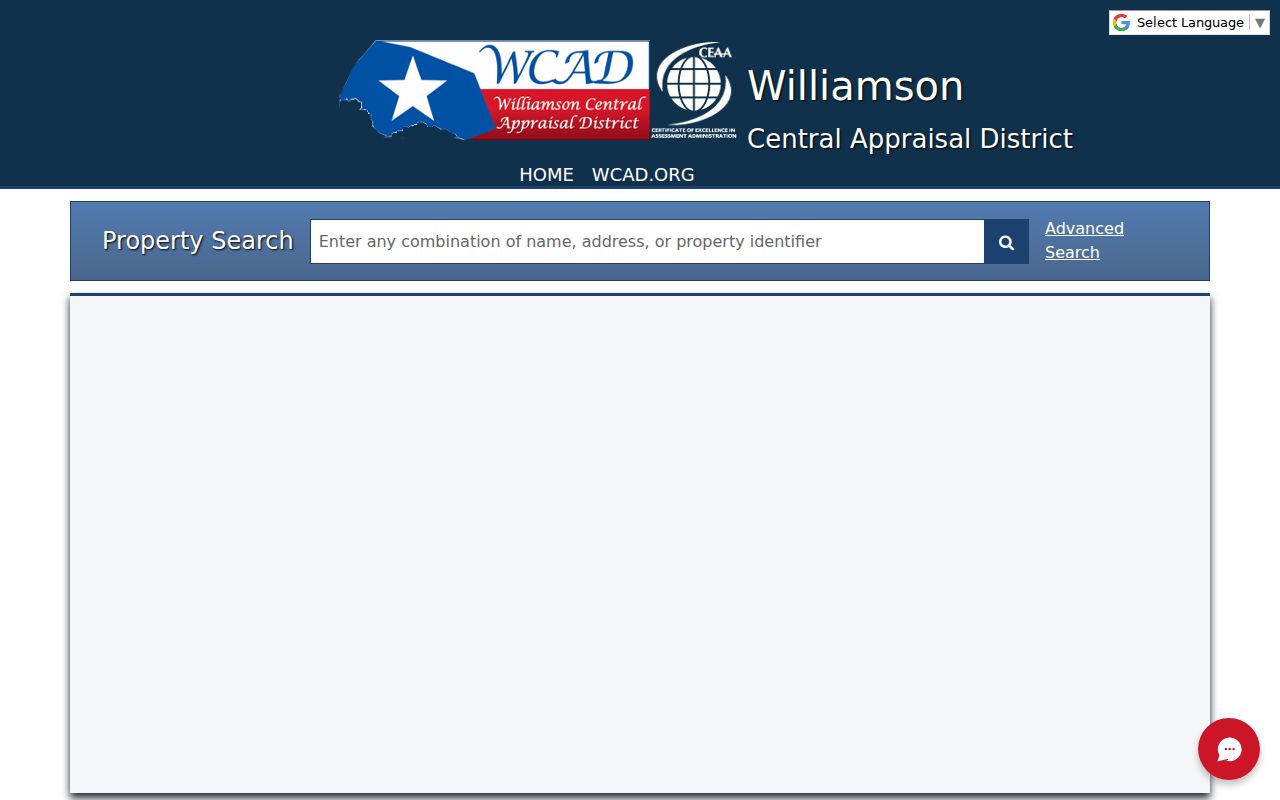
A WCAD result is a tax and parcel record. An owner or mailing field is not proof of a current household.
| WCAD field | How it narrows a Cedar Park search |
|---|---|
| Street number range and street name | Finds a block or specific address when a name is unknown. |
| City and ZIP | Filters the query, but still needs a county and boundary check. |
| Owner first, last, business, or ID | Separates owner searches from property-address searches. |
| Subdivision, block, tract, or lot | Connects the card to a plat or deed description. |
| Tax year and status | Dates the result and distinguishes active, inactive, or all records. |
Current Cedar Park Resident Directories
No single roll lists every current Cedar Park resident. Each public source shows one kind of relationship. A tax owner, a registered voter subject to confidentiality, a court party, a permit applicant, or a person in an official filing are different roles. Compare the field, the date, and the custodian rather than merging them. The main official routes are summarized here.
| Record source | What it can establish | Custodian | Access boundary |
|---|---|---|---|
| WCAD parcel card | Tax owner, situs, mailing field, legal description | WCAD | Public current search, with tax-year context |
| AddressPoints and parcels | Address, unit, county, ZIP, GIS ID, geometry | Cedar Park GIS | Public map and REST data, not a household list |
| Voter registration | Status, VUID, county, and eligible public fields | Texas SOS and county elections | Protected voters and ACP participants are restricted |
| Official Public Records | Parties to deeds, plats, liens, and releases | Williamson County Clerk | Index lead, then custodian copy if needed |
| Municipal permits | Project, address, status, and date context | Cedar Park MGO and Atlas | Permit details may require account access |
Official sources favor traceable fields and clear limits. A commercial category may blend older, mismatched entries behind a paywall. The official route names its custodian and record type. Use records for lawful personal research, and confirm any material fact with the office that keeps it.
Cedar Park Voter Records With Limits
The Texas My Voter Portal matches a registration by name, county, date of birth, and ZIP. Cedar Park sits mostly in Williamson County. A few addresses fall on the Travis side, so a second county check may help. Texas has no party registration. A voter roll also says nothing about how anyone voted, and the registration date alone does not prove someone lived at one address the whole time. Use the Texas My Voter Portal for a permitted lookup and fill in the county and date fields so same-name mixups stay out of the results.
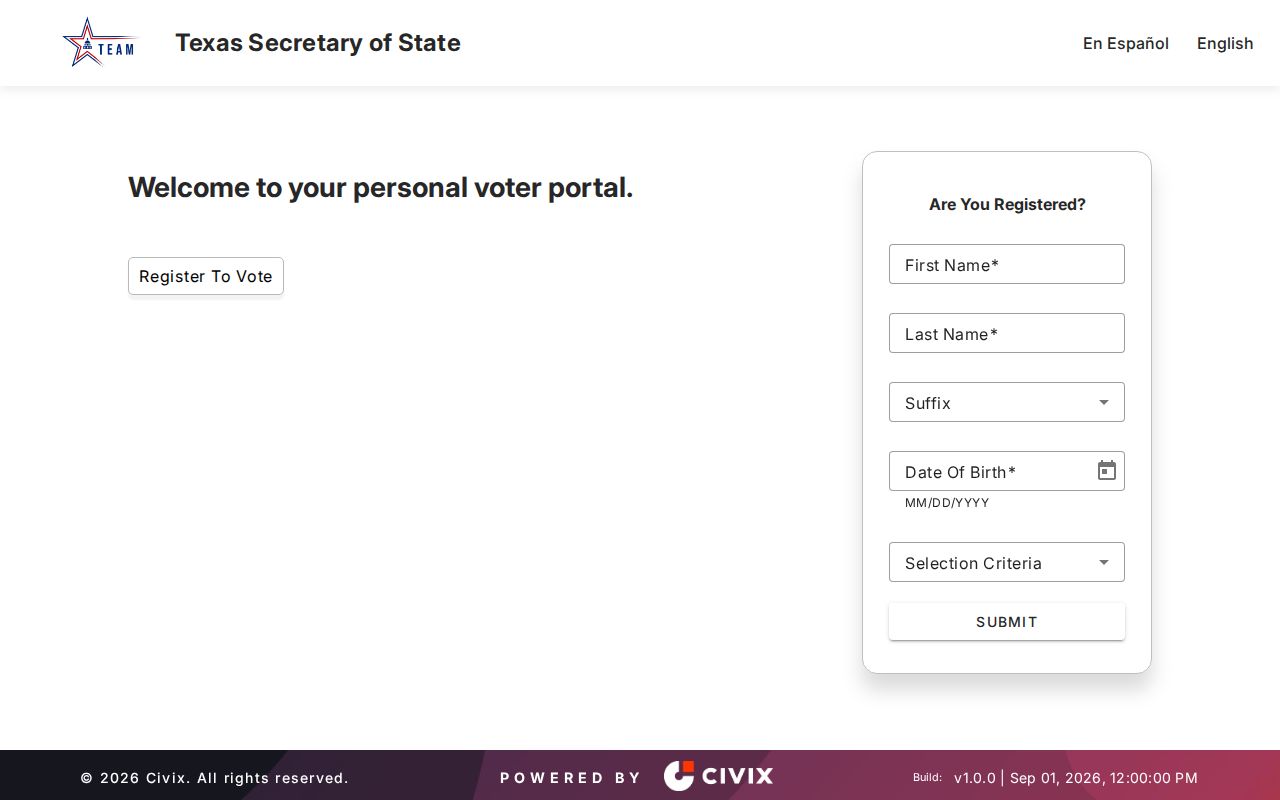
The portal confirms its lookup fields on its own screen. Any Cedar Park residents directory entry should stick to what the official voter record itself shows, not guessed result columns.
Cedar Park Court and Citation Records
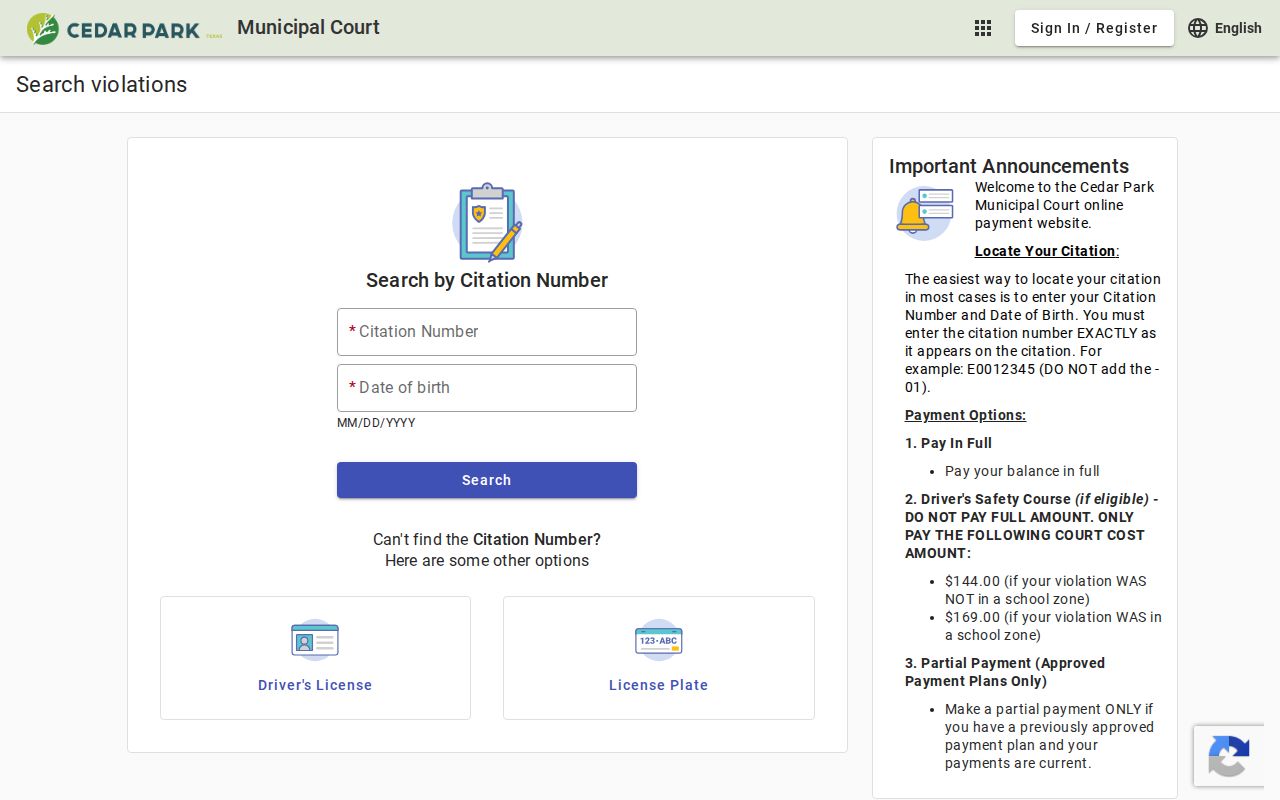
Court records work well for confirming a filed case. They also confirm a party's role, a date, and a disposition. Access depends on the record being public. The Williamson portal allows searches by judicial officer, attorney, case number, or party and defendant name. Case numbers can be exact. They can also run with a wildcard under the portal's rules, though a wildcard cannot pair with Soundex. Cedar Park Municipal Court runs on its own citation system. Its searches key on citation and date of birth, license and date of birth, plate and state, name and date of birth, or business name. Use the Williamson County judicial records portal for the county and district court paths.
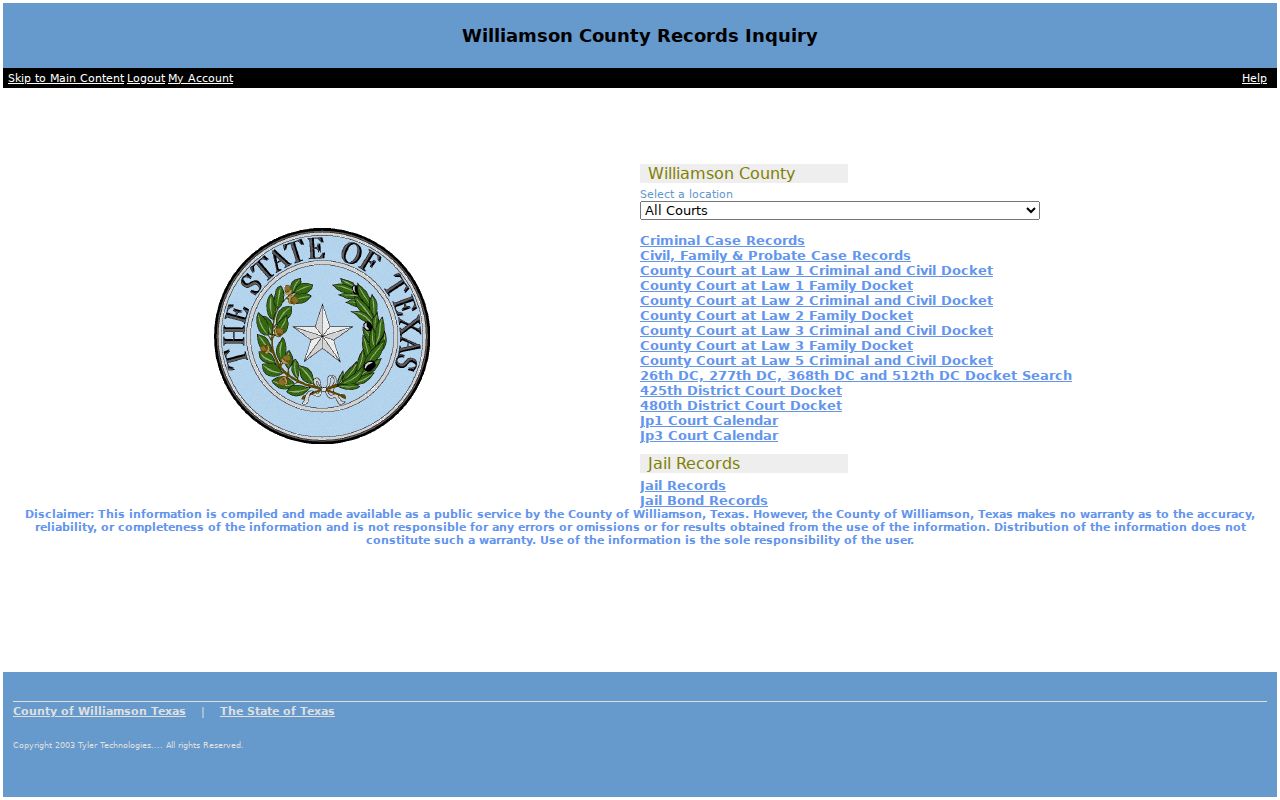
A search hit deserves a second step. Open the case detail or request the custodian record to confirm what the portal shows. For city citations, the Cedar Park Municipal Court search is the direct route.
A docket or booking entry is not a finding of guilt. It is also not proof of current status or residence.
Historical Cedar Park Resident Trails
No Cedar Park-specific printed city-directory years appear in the official sources. That gap matters for local research. Austin directories are documented regional collections. Their entries cannot simply be claimed as Cedar Park residents. The stronger historical trail combines Williamson deeds, tax rolls, probate minutes, and census releases through 1950. Cemetery material, church and school references, and maps round it out. The Cedar Park city directory page covers those collections in fuller detail.
Older records may say Running Brushy or Brueggerhoff instead of Cedar Park. The adopted name only arrived in 1887. That place-name shift works as a practical search tool. A nineteenth-century deed or census entry can sit under a post office, rail settlement, church, abstract, or tract rather than a modern street label. So try all of them.
Cedar Park Cemetery Deed Lead
Cedar Park Cemetery offers an unusually specific historical lead. The historical account points to a deed made December 24, 1912 and recorded June 25, 1913 in Williamson County Deed Records volume 159, pages 316 through 319. It also names Emmett A. Cluck as the first burial, in 1901. Those details make a focused County Clerk index search possible. None of it turns the cemetery into a full resident list.
Treat the account as a lead only. Check it against the original deed, the cemetery marker, or the County Clerk record. New Hope adds another layer of local vocabulary. Its church charter, early burial ground, school use, and family names can bridge records that predate a stable Cedar Park municipal label.
Note: Cemetery, church, and historical-society material can point to a family trail, but the underlying county record remains the best source for a deed citation.
Cedar Park Requests Beyond Portals
The Texas Public Information Act, Texas Government Code chapter 552, governs written requests. Written requests go to the right governmental body. Williamson County accepts hand delivery, mail, or its official PIA email route. A narrow request naming a record type, date range, address, department, or cause number moves faster. It beats a request for everything about a person. The County Clerk cannot search on a requester's behalf. Arrive with a name, instrument, year, or parcel lead.
Missing deed images live on County Clerk microfilm or on Baylor and TSLAC film. For district-court material, the District Clerk's form offers electronic, fax, mail, and request options. Sealed material is withheld. State vital records follow the eligibility process. A local portal cannot release a protected certificate, so apply through the proper channel. Open the Texas online vital-record application only when the applicant and event meet its identity and eligibility rules.
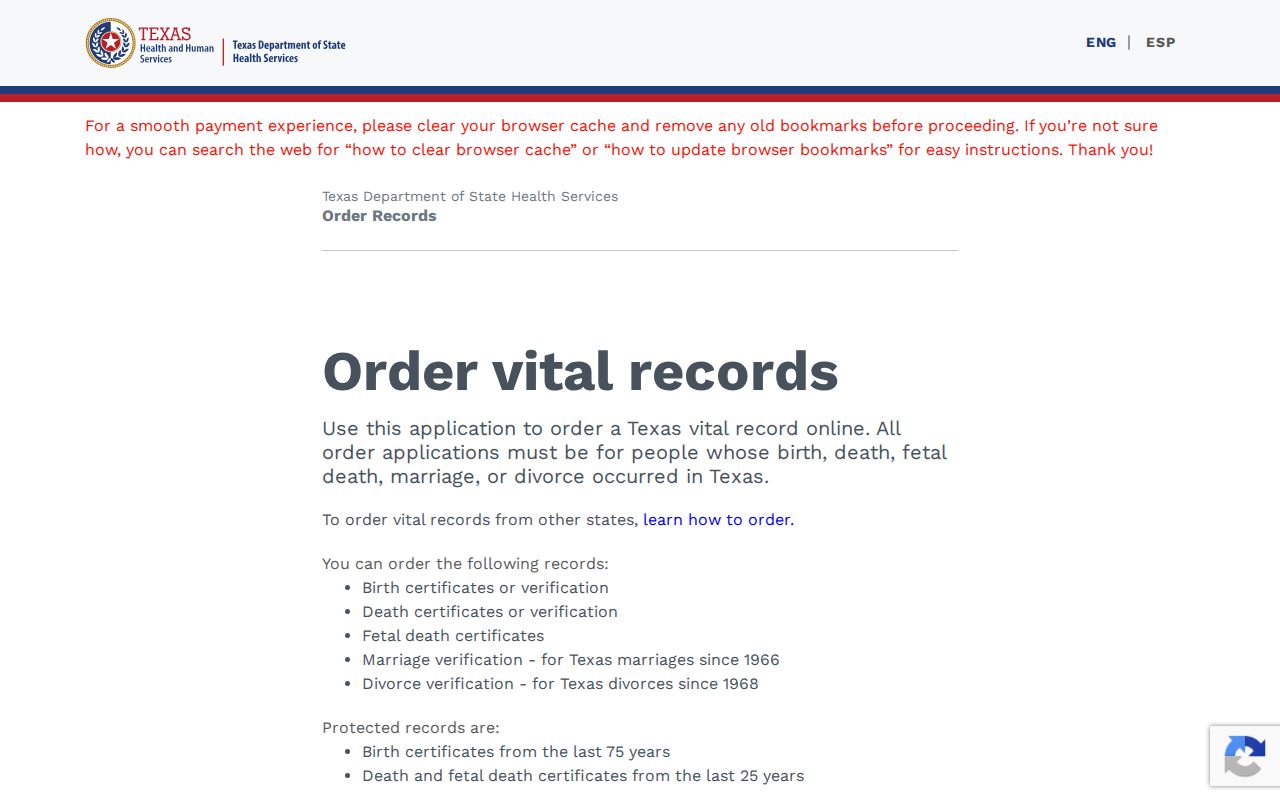
The application route collects record type, applicant identity, relationship, event details, delivery, and payment. The portal itself spells out each step of the live sequence.
Cedar Park Record Limits Matter
Limits shape any Cedar Park residents directory search. The County Clerk calls its online official-records portal a convenience index. Think of it as a card catalog, not the official repository. Try spelling variants when you search. When the image, the full record, or a certification matters, order a custodian copy instead. Backups can take some images offline at times. Redactions also remove information that Texas law protects.
Vital records and voter rolls have gates of their own. Under Texas Government Code §552.115, birth records open to the public after 75 years and death records after 25. Recent records require an eligible applicant with identification. Voter records carry confidentiality protections for eligible people and for participants in the Address Confidentiality Program. Motor-vehicle data, protected addresses, and Social Security numbers stay off limits. A visible public field never makes the protected ones fair game.
Precision in wording helps a resident lookup. An index lists a party. A parcel card names a tax owner. A docket shows a filing or an event. None of these proves current occupancy, a household relationship, or a private address. For a lawful personal or family-history question, cite the record type and date. Then let the custodian confirm any fact that truly matters.
Cedar Park Records in Transition
Cedar Park's records landscape is shifting, and directory users feel it first. The new city library held its ribbon cutting on November 1, 2025. By July 2026, the old library building had reopened as RE|CREATE. Williamson County GIS relocated to 100 Wilco Way, Suite P101, Georgetown, effective July 27, 2026. Its address contacts stayed live during the move. The District Clerk added its own wrinkle: a 4:30 walk-in cutoff starting August 1, 2026.
Because of all this, an older residents directory entry or a secondary page may point to the wrong library or office address. Check the current official contact page for each custodian before you drive over. Or mail a request. Or trust an old portal instruction. Online tools keep expanding. Still, historic deeds, tax rolls, probate files, and court records often run through microfilm and counter service. The in-person path has not gone away.